
About Joe
CAYA Psychology is a private psychology practice for children, adolescents and adults in Geelong and Barwon South, Victoria
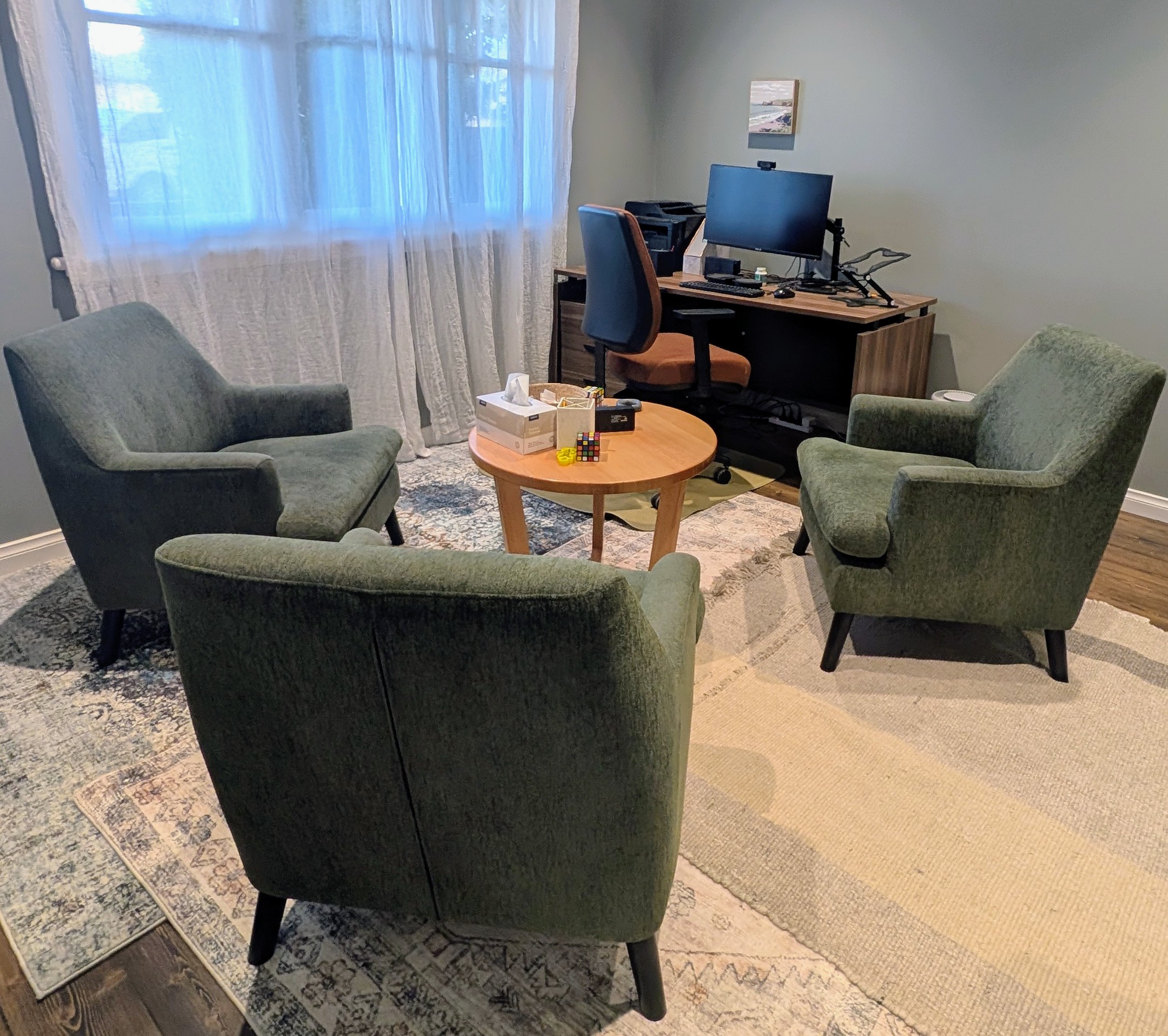

How I work with People
How I Work with Children
When working with children, I focus on understanding behaviour in the context of development, environment, and relationships. Sessions are developmentally appropriate and may include play-based activities, structured tasks, and visual tools to help children express emotions and build skills. Parents and carers are an important part of the process, and I work closely with them to develop strategies that are consistent, practical, and transferable to home and school environments.
Learn more about how I work with children >>
How I Work with Teens
Adolescence is a period of rapid change and increasing emotional, social, and academic pressure. I provide teens with a safe, respectful space where they can speak openly and feel heard. Sessions are collaborative and focus on emotional regulation, coping skills, relationships, identity, and managing stress or anxiety. Where appropriate, I work with parents or schools, while maintaining respect for the young person’s autonomy and confidentiality.
Learn more about how I work with teens >>
How I Work with Adults
My work with adults is collaborative and goal-focused, with an emphasis on practical change. I support adults experiencing concerns such as anxiety, stress, low mood, life transitions, and relationship difficulties. Together, we work to understand patterns, clarify goals, and develop strategies that align with your values and daily life.
Learn more about how I work with adults >>
Who I'm a Good Fit For
I’m likely a good fit if you’re looking for a psychologist who is practical, collaborative, and focused on understanding the bigger picture—not just symptoms.
I may not be the best fit if you’re seeking out-of-hours crisis support, highly directive coaching, post-natal or peri-natal support, forensic or assessment-only services without therapeutic involvement.
Qualifications & Associations
Qualifications
2008 - Bachelor Psychology (Hons), Murdoch University
2015 - Master Psychology (Education), The University of Melbourne (MGSE Valedictorian)
Associations
AHPRA Registration
Psychology Board Approved Supervisor
Medicare Provider
Member Association of Australian Psychologists (MAAPi)
Member Pacifica Congress
Counselling Services

Mental Health Issues
- Depression and low mood
- Anxiety and panic
- Stress and worry
- OCD and tics
- Fears and phobias

Behavioural Issues
- Risk taking behaviour
- Anger management
- Oppositional and defiant behaviour
- Pathological Demand Avoidance

Learning Difficulties
- Developing school based accommodations
- Including school refusal and avoidance

Peer relationships
- Confidence
- Social skills

Emotional challenges
- Identity and self-esteem
- Personal growth

Life transitions
- Academic & career pressure
- Work-life balance
Family and Relationship Support
- Separated and Blended Families
- Reportable Family Therapy
- Non-reportable Family Therapy

Neurodiversity
- Autistic People (ASD, Asperger's)
- ADHD
Frequently asked questions
A psychologist provides a structured space to talk through thoughts, emotions, and patterns that may be contributing to stress or difficulty. Sessions focus on understanding what's going on, identifying unhelpful patterns, and developing practical strategies to manage challenges more effectively
In Australia, psychologists (and other health professionals) are not allowed to use client testimonials. This rule is to protect clients' privacy and to avoid creating unrealistic expectations about outcomes.
Instead of reviews, it can be more useful to focus on the connection with your therapist. The first session is an opportunity to get a sense of how we work together and whether the approach feels right to you.
No. Many people start therapy without a clear explanation of what's wrong. Part of the process of therapy is working together to clarify concerns and priorities over the first few sessions.
The first session usually focuses on understanding your background, current concerns, and goals. You can ask questions about the process and discuss what you would like to get out of therapy. There is no expectation to share everything all at once.
Therapy is a confidential, structured conversation guided by professional training. The focus is on patterns, strategies, and practical change rather than informal advice or reassurance.
Sessions focus on current challenges, relevant past experiences, and patterns that affect how you think, feel and respond. The content is guided by your priorities and what feels most useful to address
Therapy is collaborative. Rather than giving instructions, the aim is to help you understand your options, learn about your experience of symptoms, develop skills and strategies to try, and make informed decisions about your situation.
Sessions are purposeful and guided by agreed goals. Some people prefer a more structured approach with specific strategies, while others benefit from open exploration. The approach can be adjusted over time.
No. Some people attend for a small number of focused sessions, while others choose to work together for longer. This can be reviewed regularly.
That's common. Your psychologist helps guide the conversation. You don't need to prepare or organise your thoughts beforehand.
No. Many people attend therapy to navigate stress, changes in life, or improve coping skills. Seeking support is a practical step rather than a sign of failure.
Talking about difficult topics can sometimes feel uncomfortable. Sessions are paced carefully to keep the process manageable and focused on constructive change.
Fit is important. If something is not helpful, it's discussed openly and the approach can be adjusted. You are not obligated to continue if it doesn't feel useful.
This varies depending on your goals and the issues involved. Some people notice useful shifts within a few sessions while more complex concerns can take longer. Progress is reviewed regularly.
Therapy aims to increase understanding, reduce distress and build practical coping strategies. Outcomes differ between people and depend partly on engagement with the process.
Some approaches include practising strategies between sessions. Consistent attendance and active participation tend to support better outcomes.
Many people start with weekly or fortnightly sessions and adjust frequency over time depending on their needs and availability
50 minutes (plus 10 minutes for your therapist to write notes and complete any administrative tasks).